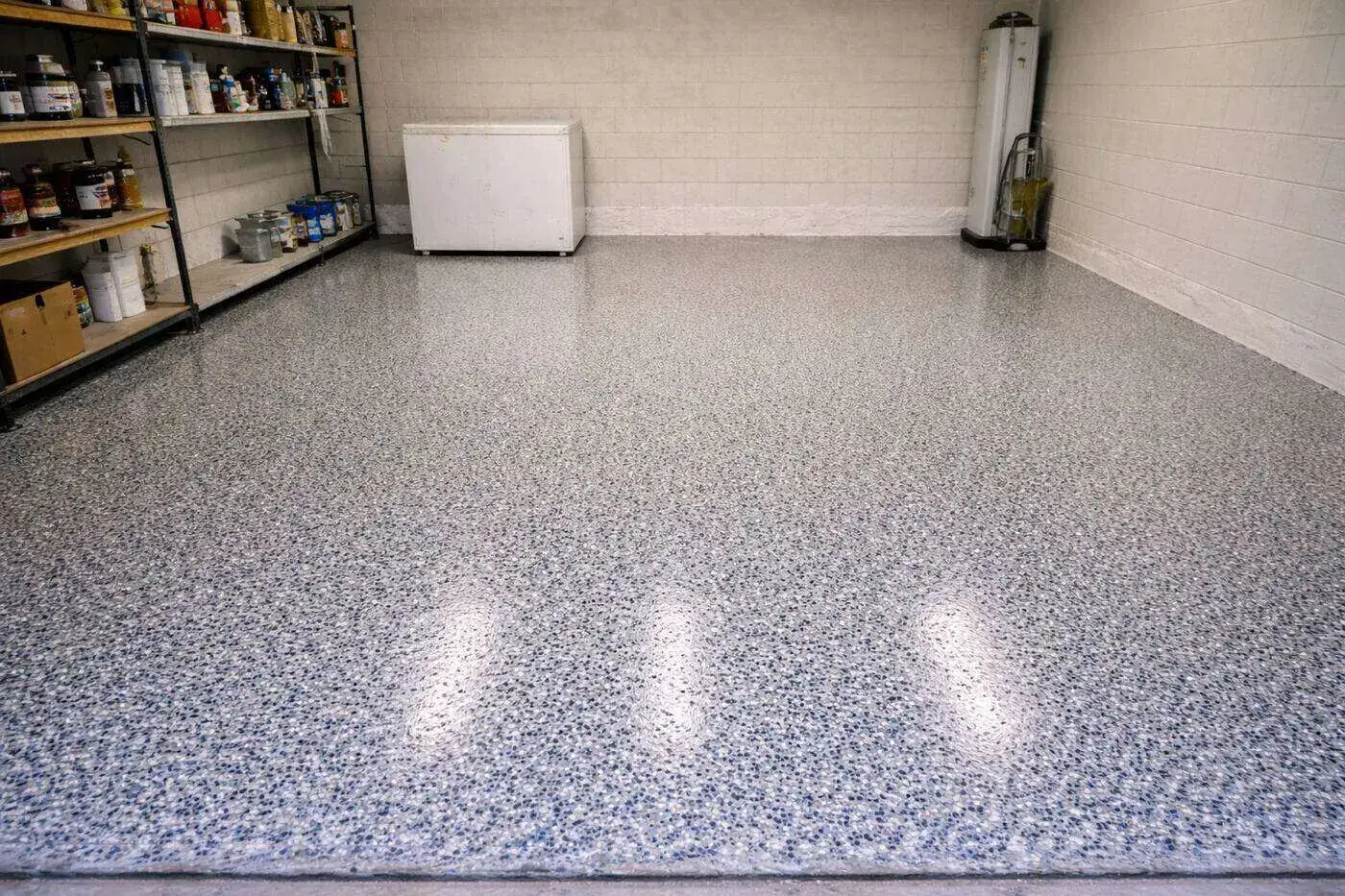
For a Duval County home on a sound slab, a professionally installed epoxy floor is worth it the large majority of the time — a 2-car garage flake system, with or without a polyaspartic wear layer over the flake, lasts 10 to 20 years, so its cost spread over that life is modest for a sealed, salt-tolerant surface. Where it stops being worth it is a hardware-store kit rolled over an untested Northeast Florida slab; on the First Coast that floor commonly lifts inside a season.
Jacksonville is not a generic flooring market, so "is it worth it?" should not get a generic answer. Three things shape the question here. The St. Johns River runs right up through the middle of the city and the metro stretches from the Atlantic beaches at Mayport and Jacksonville Beach inland to Westside and Clay County, so salt air and a high coastal water table reach a huge share of garages. The slabs themselves vary wildly — postwar Murray Hill and Riverside homes sit on old, sometimes uneven concrete, while Nocatee, Bartram Park, and the newer St. Johns County subdivisions pour fresh slabs that are still curing out their construction moisture. And as the largest city by land area in the lower 48, Jacksonville covers everything from riverfront historic neighborhoods to brand-new exurban garages, which means the right answer changes block to block.
What follows is the version Blake's crew would give a neighbor: the upsides that actually matter on the First Coast, the downsides we would rather you hear from us than discover a year in, an honest side-by-side against tile and polished concrete, and the specific cases where we would tell you to wait. If you would rather just get a number for your slab, call (904) 441-5056 for a free, no-pressure estimate.
The Case For Epoxy: The Real Pros
The reasons epoxy wins in Jacksonville garages are not the glossy-brochure ones. They are the practical, climate-driven benefits that show up after the first summer of afternoon thunderstorms and the first whiff of salt off the river. Here is what you are actually paying for on the First Coast.
It seals the slab against humidity and salt-laden air. Northeast Florida sits in a corner of the state where the Atlantic, the St. Johns, and the Intracoastal all push moist, brackish air inland, and bare concrete slowly wicks that moisture and salt in until it dusts, pits, and stains. A bonded epoxy or polyaspartic film puts a non-porous barrier between that damp coastal air and the slab. In a Mayport, Atlantic Beach, or San Marco garage that sees salt closer-up, that barrier is the difference between a floor that still looks new in year ten and a slab that has gone gray and chalky.
It survives what a Jacksonville garage actually takes. Down here the garage stores the boat trailer, the fishing gear that drips river and ocean water, the lawn equipment that runs nearly year-round in this climate, and a vehicle that comes home wet half the summer. A properly ground-and-coated floor shrugs all of it off — dropped tools, dragged trailers, hot tires, fuel and bleach — for 10 to 20 years. Motor oil, two-stroke mix, brake fluid, and pool chemicals bead on top instead of soaking in and leaving a permanent shadow on the concrete.
A hose does the cleaning, no scrubbing required. Because the surface is one continuous sheet — no joints, no grout, no open pores — the fine Florida sand and spring oak pollen have nowhere to lodge. Come back from the boat ramp or push through a heavy pollen stretch and you simply rinse it and move on, which is a real convenience given how many months of the year bring sand, rain, and humidity.
It brightens a dim garage and hides a tired slab. A glossy topcoat bounces what light there is, so a closed-up garage feels brighter without adding fixtures, and a full flake broadcast camouflages the minor cracks, patches, and discoloration that older Riverside, Avondale, and Murray Hill slabs almost always carry — a finished, uniform look without the cost of tearing out and repouring concrete.
It lifts how the property presents — and that carries weight here. Between relocating buyers, Navy households cycling through NAS Jax and Mayport, and families trading up across St. Johns County, Jacksonville sees constant turnover, and a tidy flake or metallic floor signals at a glance that the home has been kept up rather than left on bare or stained slab. For a fairly small spend, it lands an impression at a showing well out of proportion to its cost.
The Honest Cons
Every floor has trade-offs, and the installers who deny it tend to be the ones leaving peeling floors behind them. So here is the unvarnished list, with the Northeast Florida catches called out specifically.
The slab-moisture problem is the real one here, and it is geography-driven. This is the con that matters most on the First Coast. Jacksonville's shallow, river-fed water table means a great many slabs — especially near the St. Johns, the Intracoastal, the creeks off the river, and the beaches — quietly push moisture vapor upward all year. Coat over a slab like that without a calcium-chloride or relative-humidity test (ASTM F1869 / F2170) and a mitigation primer, and the floor can bubble and delaminate from underneath. It is not that the product was bad; vapor pressure simply peeled it off the concrete. Skip the test and you are gambling against the local geology, and around here that is a bad bet.
The price reflects a built system, not a tint. A professionally installed floor anywhere in the Jacksonville area is priced after a free on-site visit, and a polyaspartic topcoat or decorative metallic work adds to it. Set that next to a can of garage paint and the difference looks steep — but what you are funding is the grind, the crack repair, the vapor mitigation, and a topcoat formulated for First Coast heat and humidity, none of which a paint can delivers.
Everything rides on the prep, and the prep is hidden. What goes on beneath the color decides the outcome: diamond grinding, sound crack repair, and a real moisture reading, never a splash of acid etch. Around Riverside, Springfield, and Murray Hill, where the slabs are decades old, that step also means cutting away layers of accumulated sealer, paint, and oil so the new coating can actually bond. Cut a corner there and nothing looks wrong until the floor delaminates a year on — which is precisely why it is the leading cause of failure here.
This is the wrong climate to attempt yourself. A garage in an arid state might tolerate a weekend kit; the First Coast will not. The very conditions that force professional moisture testing — relentless humidity, heat, and a high coastal water table — are what undo a consumer kit laid down without grinding or a vapor barrier. Once that DIY film starts peeling, and it generally will, the only fix is to grind it back to bare concrete and start over, so the cheap option becomes the expensive one.
A high-gloss finish gets slippery underfoot when wet. The moment rainwater tracks in off a Jacksonville driveway or a hose runs across it, a glassy topcoat can turn slick — no small thing in a place where summer storms roll through most afternoons. The remedy is straightforward: an anti-slip additive or a textured flake or quartz broadcast. We just build that in from the start as standard practice here rather than treating it as an add-on.
Budget time to cure, and time the job to the forecast. A floor is not ready the day it goes down; the bay stays offline through grinding, coating, and curing, often a few days before foot traffic and longer before a vehicle returns. Polyaspartic chemistry trims that downtime, which is part of why it is our default on the First Coast — yet ambient humidity and a stray thunderstorm still influence the cure, so we book installs with one eye on the radar instead of fighting the weather.
It cannot rescue a slab that is already going. A coating is a surface, not a structural cure. Where the concrete is badly spalling, lifting, or splitting — which we run into on older riverfront and beachside slabs that have soaked up years of salt and moisture — epoxy simply rides the failure down with it. Repair or replace the concrete before any coating goes on.
Epoxy vs. the Alternatives
Finishing a concrete floor does not have to mean epoxy, and the fair way to judge its worth is to line it up against the other realistic options for that same slab. The deciding column on the First Coast is moisture tolerance: any finish that buckles on a high-water-table, river-fed Jacksonville slab is a dead end here, however well it grades in arid country. Below is how the four common approaches compare for a Duval or St. Johns County garage or finished room.
| Epoxy Coating | Porcelain / Ceramic Tile | Polished Concrete | DIY Paint / Roll-On Kit | |
|---|---|---|---|---|
| Upfront cost | Moderate | Higher (material + skilled labor) | Moderate | Lowest |
| Lifespan | Long (10–20 yrs, pro install) | Long (decades, if grout maintained) | Long | Short (often under 2 yrs) |
| Durability | High — seamless, impact and abrasion resistant | Hard but can chip and crack on impact | Very high | Low — peels and wears fast |
| Maintenance | Very low — wipe or hose clean | Higher — grout lines stain and need scrubbing | Low — periodic reseal | High — frequent touch-ups |
| Moisture tolerance (coastal NE FL) | Excellent with mitigation primer + testing | Good, but grout can trap moisture | Good — it is the slab itself | Poor — lifts on damp slabs |
| Look / customization | Wide — solid, flake, metallic, quartz | Wide tile selection, visible grout | Limited — shows the concrete | Basic — solid color only |
| Best for | Garages and finished spaces wanting durability + looks | Living spaces wanting a specific tile look | Industrial or minimalist modern look | Tight budgets and short-term fixes |
Read through a First Coast lens, the pattern is clear. Tile still wins inside the house when you want a specific decorative look. Polished concrete wins for a hard, minimalist, industrial surface where you do not mind it showing the slab and its history. A roll-on kit wins on price alone — and in Jacksonville that price advantage evaporates the first time it lifts off a damp, river-influenced slab. For a Duval or St. Johns County garage that has to look finished, shrug off salt air, fuel, and tire marks, and survive a high-water-table coastal slab, a professionally installed flake or polyaspartic floor is the best balance of the four. For the per-finish numbers behind that epoxy column, see our Duval County cost guide.
Not Sure Epoxy Is the Right Call for Your Space?
Tell us about your slab and your goals. We will give you a straight answer on whether epoxy makes sense — and a real number, free.
When Epoxy IS Worth It
In the cases below, epoxy is plainly the right move on the First Coast and the numbers back you up. If any of them describe you, the floor repays you in toughness, appearance, and almost no upkeep.
The slab is solid and you are staying put. Decent concrete plus no near-term sale tilts the long-run economics hard toward epoxy: spread the cost of a flake floor, with or without a polyaspartic topcoat over it, across fifteen-plus years and the yearly cost is small for a surface that keeps its seal against First Coast humidity and salt the whole time. The large majority of Duval and St. Johns County garages, older ones included, pass muster once they are ground down and the cracks are patched.
The bay does real Jacksonville duty. House a boat trailer, salt-soaked fishing and offshore tackle, a generator, near-year-round lawn gear, or a car that comes home dripping from the beach and river, and you need a floor that fends off fuel, salt, and solvents and washes down with a garden hose. A coated slab handles that; raw concrete does not.
You are bringing in an installer who preps for First Coast conditions. The long-lived floor epoxy is famous for is the one where the crew reads the slab's moisture first, grinds it with a diamond head, fills the cracks, primes with a mitigation coat wherever the numbers demand it, and seals it under a UV-stable polyaspartic top — the Northeast Florida build, not the boxed-kit shortcut.
You want it showing ready to move into. Whether you are staging for Jacksonville's relocation-and-military-rotation buyers or you simply want the space to feel deliberate, a crisp flake or metallic floor returns more curb appeal per dollar than almost anything else you can do to a garage — the kind of touch that reads as well-kept the instant someone steps inside.
When Epoxy Is NOT Worth It
Recognizing when to hold off is every bit as valuable. We would sooner walk away from a job than hand you a floor the climate is bound to lift. Pump the brakes, for the moment at least, if your situation matches any of the following.
The concrete itself is breaking down. When a slab is crumbling, lifting at the joints, or fracturing — a pattern we encounter on aging river-adjacent and beachside floors that have absorbed years of salt and damp — no coating can paper over it, and the epoxy goes down with the ship. Fix or repour the concrete first; coat it second.
The moisture reading is high and mitigation is out of budget. Here is the trap unique to this market. A slab near the St. Johns, the tidal creeks, or the Intracoastal often drives serious vapor, and if there is nothing left in the budget for a mitigation primer, sealing over it is money handed to a floor destined to peel from the bottom up. Deal with the moisture or postpone — do not coat it and hope the meter was lying.
Paint is genuinely all the budget allows. When a full system is truly beyond reach and a thin coat is the only option, go in eyes open: that is a cosmetic patch with a short clock, not a floor you keep, and First Coast humidity will have it failing before long. Often the wiser play is to wait a season and save toward the real thing.
You are listing soon or barely use the bay. If a sale is around the corner, or the property is a rental or a seldom-visited second place, the years you would need to enjoy the floor and earn back its cost simply are not there. A modest cleanup tends to beat a full install you will not stick around to use.
The Duval County Verdict
Here is the bottom line for the First Coast. For the typical Jacksonville homeowner with a sound slab who hires a real professional, epoxy flooring is one of the best-value floors you can put down in Northeast Florida. With proper diamond-grind prep, moisture testing where a river-fed slab calls for it, and a UV-stable polyaspartic topcoat built for this humidity, it delivers a decade or two of a durable, easy-clean, salt-tolerant surface. Spread across those years, that is hard to beat.
The horror stories you hear around town — the bubbling, the peeling, the floor that failed in a single Jacksonville summer — almost never trace back to the product. They trace back to prep being skipped: no moisture test on a high-water-table slab, no real grind, a consumer-grade kit, no protective topcoat. In Northeast Florida's heat, year-round humidity, and shallow coastal water table, those shortcuts catch up with you fast. The difference between a floor that is worth every dollar and one that is a waste of money is entirely in how it is installed for this specific climate.
So if you are weighing it: yes, it is worth it on the First Coast — provided you do it right. If you want the real numbers behind the decision, read the Duval County cost guide, and to understand the single failure mode that sinks floors here, read why epoxy floors fail in Duval County and the moisture test that prevents it.
Frequently Asked Questions
Is epoxy flooring worth the money in Jacksonville?
For most Jacksonville homeowners on a sound slab, yes. A 2-car garage flake floor, with or without a polyaspartic topcoat built over it, lasts 10 to 20 years, so spread over its life it costs little per year for a sealed, salt-tolerant surface — one of the better values in flooring on a cost-per-year basis. Where it stops being worth the money is a hardware-store kit rolled over an untested, river-influenced slab; on the First Coast that floor often fails inside a season and has to be ground off and redone.
Is epoxy better than tile in a Jacksonville garage?
In a garage, usually yes. Epoxy is a single seamless surface with no grout lines to stain or trap the salt and sand that ride in off the river and beaches, it resists hot-tire pickup, fuel, and pool chemicals, and it costs less to install than a comparable tile floor. Tile can chip when a heavy tool drops, and its grout holds dirt and moisture — a real drawback in this humidity. Tile still wins inside the house when you want a specific look, but for a Duval County garage a flake epoxy floor is the more practical choice.
Does epoxy add value to a home on the First Coast?
A clean, professionally finished epoxy floor helps a Jacksonville home present better to buyers, appraisers, and the steady stream of relocating and military families moving through the market. It reads as a maintained, move-in-ready property rather than bare or salt-stained concrete. It is not a guaranteed dollar-for-dollar return like a kitchen remodel, but as a relatively low-cost upgrade that makes a strong first impression at a walkthrough, it is a sensible value-add across Duval and St. Johns County.
Is DIY epoxy worth it in Northeast Florida?
Usually not. A big-box kit skips the two steps that matter most here: a full diamond grind and slab moisture testing. Jacksonville's shallow, river-fed water table means an untested slab can push enough vapor to lift a coating from underneath within months, and when a DIY floor fails it has to be ground off and recoated — so you pay twice. A kit can work on a dry, well-prepped interior slab away from the water, but in this coastal climate it is a gamble most homeowners lose.
How does epoxy compare to polished concrete?
Both turn a bare slab into a finished floor, but they solve different problems. Polished concrete grinds and densifies the existing slab into a hard, low-maintenance surface, so it shows the concrete itself — including any cracks or stains, which older Riverside and Murray Hill slabs tend to have. Epoxy adds a colored coating on top, giving you far more color and pattern options and hiding those slab flaws under a flake or metallic finish. Epoxy also offers stronger chemical and stain resistance, while polished concrete needs periodic resealing. For a Jacksonville garage with marks to hide, epoxy is usually the better fit.
Will an epoxy floor really last in Jacksonville's humidity?
Yes, when it is installed for this climate. The failures you hear about on the First Coast almost always trace back to skipped prep, not the product. A floor that is moisture tested, given a mitigation primer where a river- or beach-side slab calls for it, and finished with a humidity-tolerant, UV-stable polyaspartic topcoat holds up well through Northeast Florida's heat, salt air, and afternoon storms. The same floor installed without testing or proper prep is the one that bubbles and peels.
Get Your Personalized Duval County Epoxy Quote
The only way to know whether epoxy is worth it for your specific floor is to have your slab evaluated in person — especially in a market where the answer genuinely changes depending on how close you are to the river or the coast. At Ascent Epoxy Jacksonville, every estimate starts with Blake's crew taking a real look at your concrete, running a moisture test where the slab warrants it, and having an honest conversation about whether epoxy is the right move for your space and budget. If it is not the best fit, we will tell you. If it is, you get a clear number and a system engineered for Northeast Florida's heat, humidity, and high-water-table slabs.
Ready to find out? Call us at (904) 441-5056 or request a free quote online. We serve Ponte Vedra Beach, Nocatee, Atlantic Beach, Mandarin, Orange Park, Fleming Island, Fernandina Beach, St. Augustine, Jacksonville Beach, San Marco, and the surrounding communities across Duval, St. Johns, Clay, and Nassau counties.
Related Articles
How Much Does Epoxy Flooring Cost in Duval County? (2026 Guide)
What sets the price of a Duval County floor, and what a real quote should include.
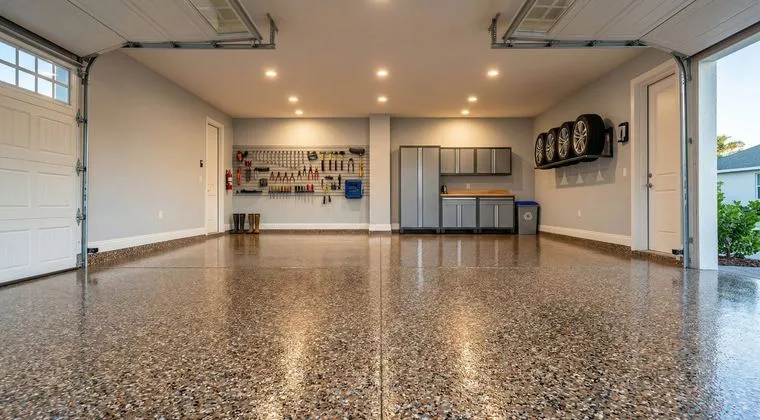
How Long Does an Epoxy Floor Last in Duval County?
Realistic lifespans and what shortens them in Northeast Florida.
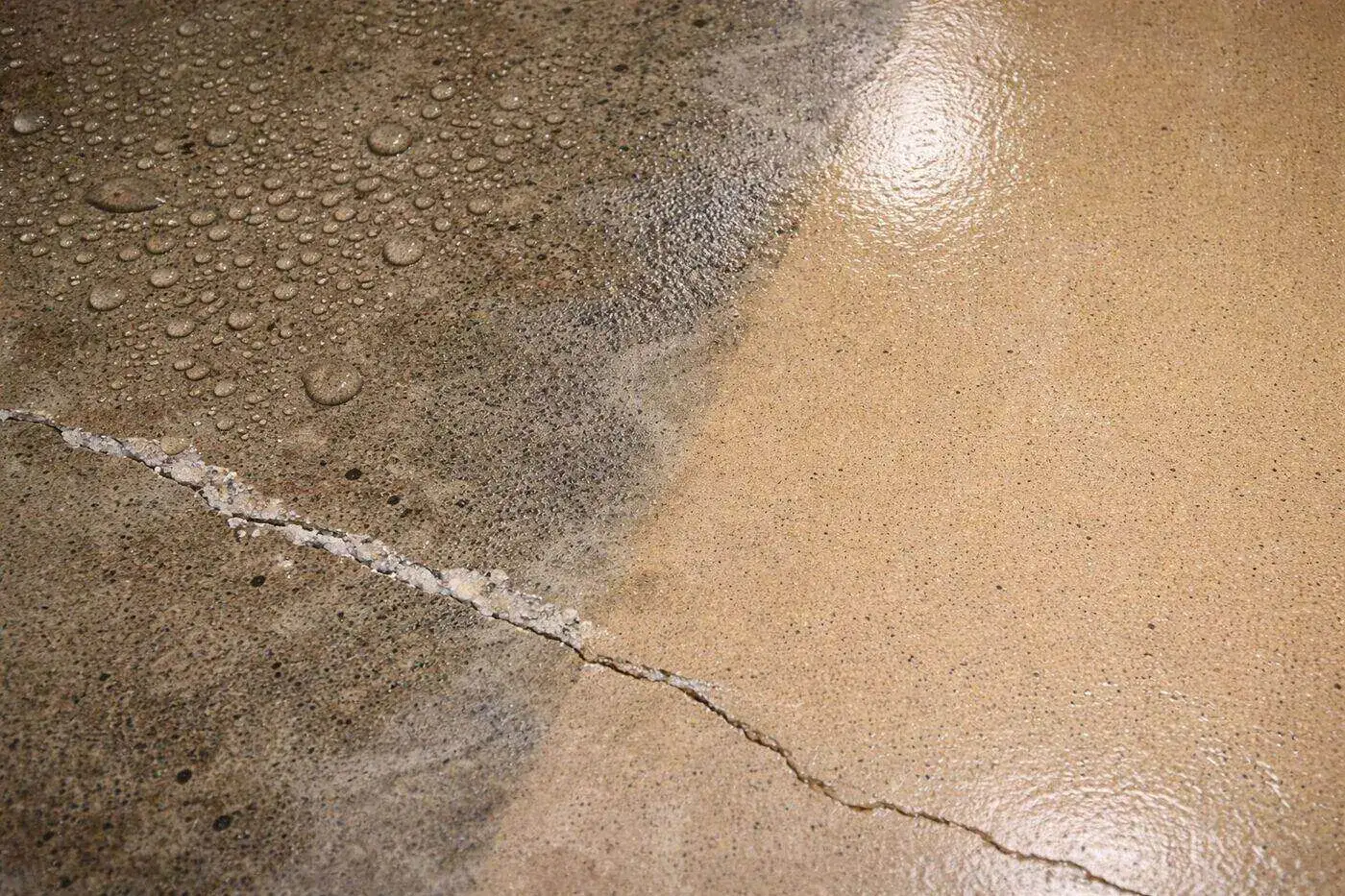
Why Epoxy Floors Fail in Duval County — and the Moisture Test That Prevents It
The shallow water table, MVT testing, and what to ask before you sign.